Juhani Korpela of JänkäKoira is a Lapland-based fishing guide known above all for trophy pike, fly fishing from a float tube, and a strongly held sense of responsibility on the water. In this interview Juhani explains why the landscapes around Kilpisjärvi show Lapland at its best, when the biggest pike come on to feed before winter, and why a single nationwide fishing licence would be a decisive step for the future of Finnish fishing.
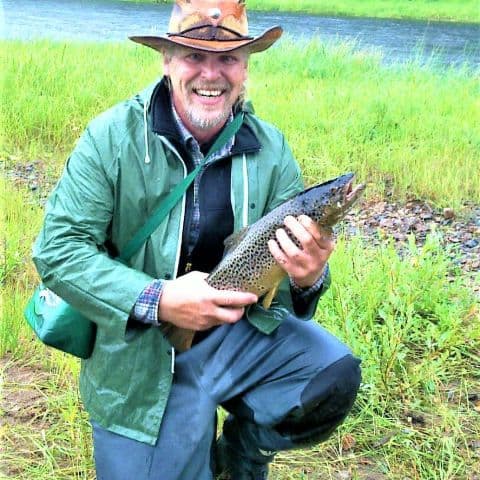
What makes Lapland fishing different
What are the biggest differences between Lapland and southern Finland when it comes to fishing?
Lapland’s great strengths are clean waters and strong fish stocks. The fishing often takes place in untouched surroundings where nature is present in a completely different way than further south.
What keeps clients coming back to Lapland year after year?
Besides the clean and fish-rich waters, people come back above all for the landscapes. In Lapland fishing is a whole-body experience where nature plays just as important a role as the catch.
If you could show a visitor just one fishing spot in Lapland, what would it be?
It’s a hard choice — there are countless wonderful places. If I had to name one, I’d take a guest to the Kilpisjärvi area. Those landscapes show off Lapland’s unique nature at its best.
What surprises tourists most when they learn about fishing in Lapland?
Many are surprised that even small streams can hold valuable species. A lot of people also find it special that the fish they’ve just caught can be cooked fresh as a meal.
The customer’s perspective
Who would you recommend a guided fishing trip to?
Especially anyone fishing a new area for the first time. Local knowledge helps you find the right places and makes the whole experience much more rewarding.
Can a complete beginner succeed at fishing in Finland?
Absolutely. With a skilled guide alongside, even a first-timer can have some real moments of success.
What kind of client tends to get the best results?
A patient one. In fishing, hurry is rarely rewarded.
What should a client bring on their first fishing trip to Finland?
The right attitude. Fishing isn’t only about chasing the catch — it’s also about the experiences, the nature, and landscapes you won’t find anywhere else.
Trophy pike fishing
When are the chances of a really big pike at their best?
The biggest pike are often caught in September and October, when the water cools and the fish are preparing for winter.
How do the seasons affect the behaviour of big pike?
Late autumn is a particularly interesting time. As the water cools, it triggers pike to feed heavily before winter sets in.
What’s the most memorable trophy pike moment you’ve had with a client?
One of the most unforgettable moments was a client landing a 15.2 kg pike. Fish like that stay with you for the rest of your life.
What are the most common mistakes when targeting trophy pike?
Too much hurry. When you’re after a trophy pike, forget the rush and the kind of frantic casting some people do. Calm, careful fishing gets the best results.
The guide’s own growth
What have you learned about fishing in recent years?
Calm, and respect for nature. It’s important to remember that on the other end of the line there is a living creature fighting for its life.
Has any new way of fishing particularly inspired you?
Fly fishing for pike from a float tube has really taken hold of me. The takes are often spectacular and the moments are unforgettable.
How has fishing in Finland changed over the course of your career?
The amount of electronics has grown enormously. Technology helps you find fish more efficiently than ever before.
What keeps your motivation high?
Probably some very old and primitive hunting instinct. It’s what keeps drawing me back to the water again and again.
“It’s important to remember that on the other end of the line there is a living creature fighting for its life.”
Finland from a fishing visitor’s perspective
Why is Finland one of Europe’s best fishing destinations?
The clean northern waters, the vast wilderness, and the stunning landscapes make Finland a truly unique fishing destination.
Which species should every angler visiting Finland try to target?
I’m very much a pike man, so I’d recommend giving pike fishing a try.
What’s the best month to fish in Lapland?
Late summer is my own favourite. Nature is at its most beautiful and the fishing conditions are often excellent.
Is guided fishing worth it?
Yes. A guide’s local knowledge raises your chances of success significantly.
What should a foreign angler know before arriving in Finland?
It’s worth getting familiar with the fishing-licence rules in advance.
Nature and the future of fish stocks
What are the biggest challenges facing Finland’s fish stocks?
Hydropower construction and the decisions surrounding it still affect the future of many fish populations.
Where have anglers done better in recent years?
In moderation. More and more people only take home what they actually need.
How can fishing tourism support responsibility?
By teaching the right ways to handle fish, and by spreading awareness about responsible handling of both released fish and fish kept for the table.
If you could change one thing about fishing in Finland, what would it be?
A single nationwide fishing licence that would let you fish in any waters.
Closing
What single piece of advice would you give to an angler arriving in Finland for the first time?
Take a guide at least for the first few days. It helps you get to grips with the local conditions and fishing culture much faster.
How could the state of Finland’s fish stocks be improved in the future?
By building more fish ladders, fishways and bypass channels around dammed rivers. That way the natural migration routes of migratory fish could be restored for use again.